BluewakeFoundation
Nonprofit · River & coastline cleanup

Bluewake Foundation catches plastic in rivers before it reaches the sea, then keeps the coast clean with local beach crews. Every kilo we pull out is weighed, sorted and published.

14river barriers
46adopted beaches
83%recycled or recovered · illustrative
Tap floating plastic to pull it out. You: 0Skimmer: 0
Field log
01 — The problem

Most ocean plastic starts its trip in a river.

A bottle dropped near a city drain can ride the current to the coast within weeks. At sea it breaks into fragments no net can recover. In a river it’s still whole, still floating and still in one channel — the cheapest place on the map to catch it.

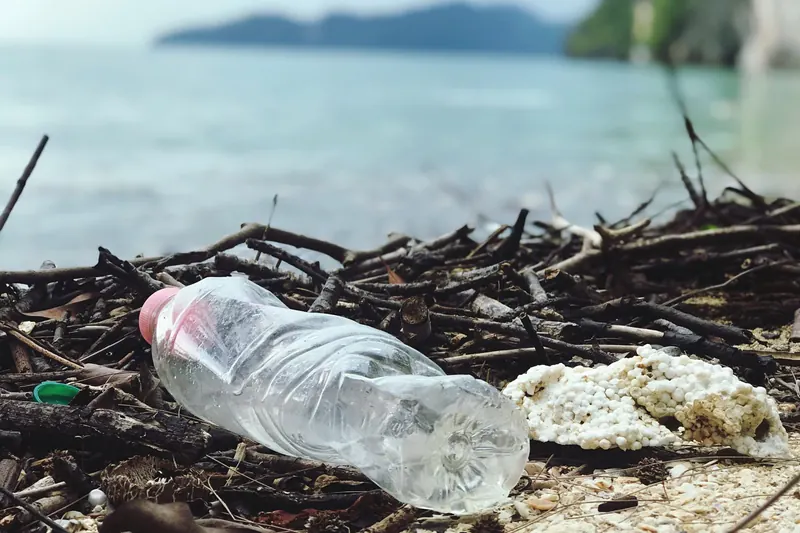
A crushed plastic bottle and a lump of foam caught in driftwood at the water’s edge
A drift line after one high tide.
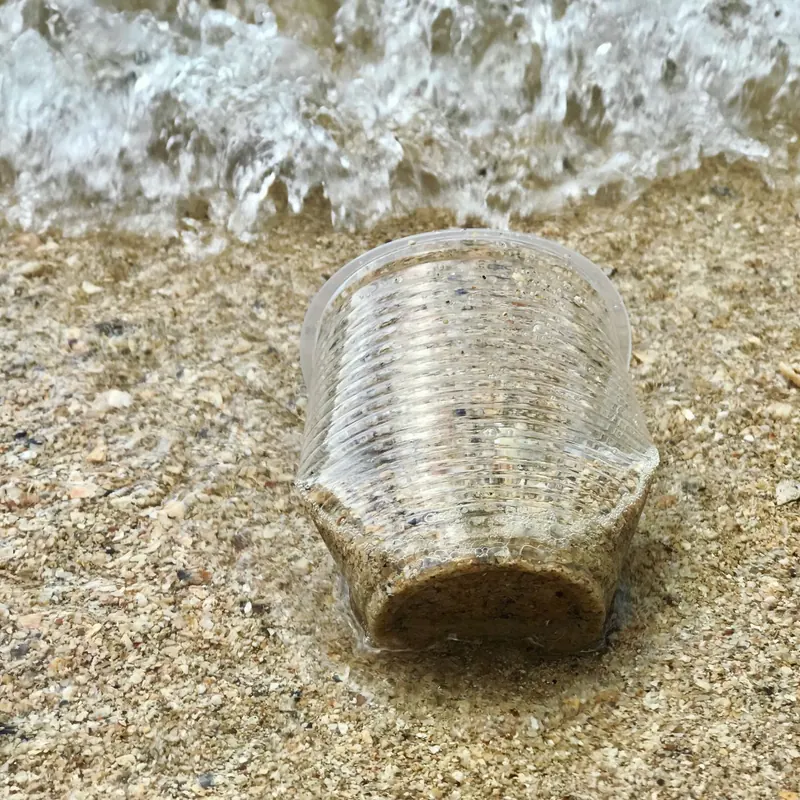
A clear plastic cup half buried in wet sand as a wave washes over it
Single-use cups: a top-five item on our beaches.
Weeks

How long a bottle can take to travel from a city drain to open water on a fast river.

< 5mm

The size of a microplastic. Once plastic breaks down this small, it’s effectively gone for good.

60t/yr

What one well-placed barrier can intercept on a busy urban river.

Illustrative
02 — How we clean

Three ways out of the water.

Catch it in the river, sweep what reaches the beach, and make sure nothing we collect ends up back in nature.

01

River barriers

A floating boom, angled across the current, steers floating debris toward a single point, where our solar skimmer lifts it out on a conveyor. The skirt reaches 60 cm down, so fish, boats and the riverbed pass freely.

  • 2 × 60 mboom per site
  • 0.6 mskirt depth
  • 1.2 t/dayconveyor capacity
  • 100% solarno fuel on the river
38°
Channel covered72%
Held by the boom97%
Estimated capture69%
Too shallow and the boom covers little of the river; too steep and the current pushes plastic under the skirt. Illustrative model — real sites are tuned to their own flow.
02

Beach crews

Paid local crew leads and volunteers sweep the drift line every week. Every item is counted by type, so we can show manufacturers and city councils exactly what washes up — and where it came from.

  • 46adopted beaches
  • 2-hourweekend shifts
  • Gear providedgloves, grabbers, bags
  • Per itemlogged on a phone app
03

Sorting & recycling

Sorted by polymer, washed, shredded and pressed into bales for local recyclers. What can’t be recycled goes to licensed energy recovery — never open burning, never dumping.

  • 7polymer streams
  • ~40 kgper pressed bale
  • 83%recycled or recovered
  • 0 kgsent to open dumps
Watch the deck: each press turns the bin into a bale.
03 — Where we work

Seven river mouths, one playbook.

We work where rivers meet dense cities and the coast — always with local crews, city permits and a regional recycler at every site.

Bluewake siteLandNetwork shown is illustrative.
    04 — Impact

    Counted in kilos,
    not in promises.

    Illustrative · ticking live
    1,284,612kg

    of plastic pulled from rivers and beaches since our first barrier went in, in 2019.

    0

    River barriers running right now

    0

    Beaches adopted by local crews

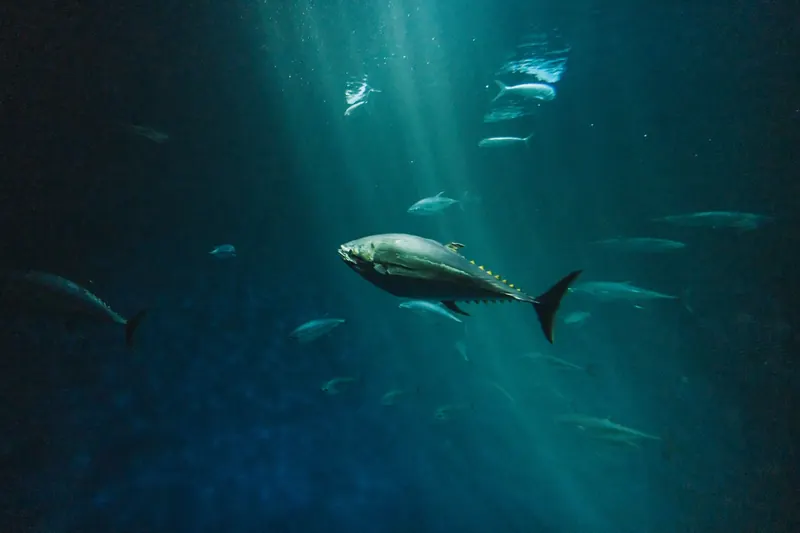
    A large tuna and a school of smaller fish swimming through shafts of sunlight in deep blue water

    When the plastic stops, life comes back.

    Fish counts near our oldest barrier site are up 2.3× since 2021 (illustrative).

    0

    Volunteers who have joined a shift

    0

    Recycled or sent to licensed recovery

    05 — Volunteer

    Two hours, a pair of gloves, a cleaner river.

    Cleanups run on weekend mornings. We bring gloves, grabbers, bags, water and a crew lead; you bring closed shoes and sunscreen. Ages 16+ (with a guardian’s consent under 18). Barrier days are 18+.

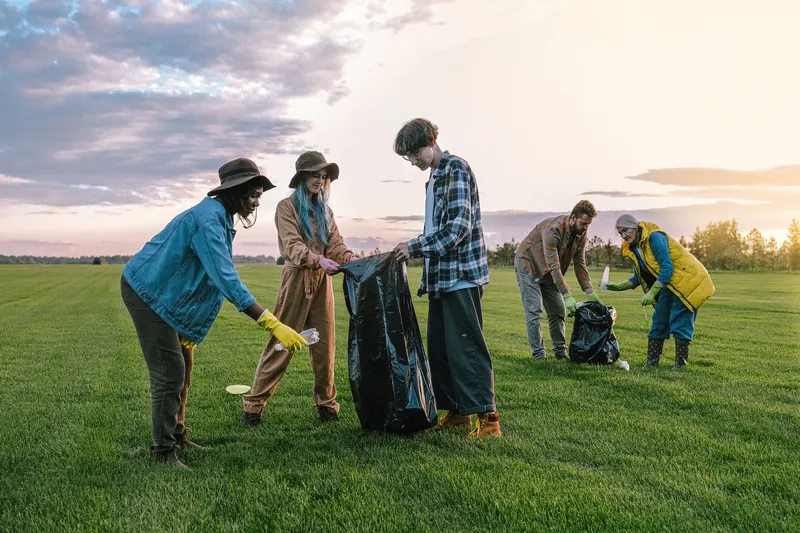
    Five volunteers in gloves filling black rubbish bags in a grassy field at sunset
    A Saturday crew at the end of a shift.

      Save your spot

      One form, any event. We’ll send the meeting point and a checklist two days before.

      Bringing friends?
      0
      07 — Transparency

      Every kilo, every dollar, published.

      We publish what we pull out, where it goes and what it costs — site by site, month by month. If a barrier underperforms, you’ll read about it here first.

      Annual Report 2025

      48 pages: every site, every kilo, every dollar — plus what didn’t work and what we changed.

      Where the money went

      Fiscal year 2025, share of total spending (illustrative).

      Fieldwork & barriers61%
      Sorting & recycling18%
      Community programs9%
      Monitoring & data5%
      Admin & fundraising7%

      Open data

      Monthly collection logs for every site, by polymer and item type, as CSV.

      Independent audit

      Financial statements are audited every year by an independent firm and published in full.

      How we count a kilo

      Every bag is weighed wet on calibrated scales, photographed, then weighed again dry after sorting. We report the dry number — it’s smaller, and it’s honest.

      Questions

      Asked on almost every shift.

      Do the barriers harm fish or block boats?

      No. The skirt hangs only 60 cm below the surface and the riverbed stays open, so fish swim underneath. Each boom has a lane for boats and opens fully during floods.

      Where does the plastic go after you collect it?

      To a sorting line near each site. Clean polymers are baled and sold to licensed local recyclers; the rest goes to licensed energy recovery. We publish the split every month.

      Can my company sponsor a barrier?

      Yes — in this concept, a company can fund one barrier-year, which covers crew wages, maintenance and recycling for a site, with a quarterly data report in return. Sponsors never get naming rights on the river.

      Is my donation tax-deductible?

      Bluewake Foundation is a concept for a portfolio, so no donation can be made here. A real version of this site would list its registration details in this answer.

      I’m 16. Can I volunteer?

      Beach shifts welcome volunteers aged 16 and 17 with a guardian’s signed consent. Barrier days involve work near moving water, so they’re 18+.

      The next step

      The river is the shortest way to a cleaner ocean.

      Give once, give monthly, or spend a Saturday morning on the drift line. Every kilo is counted either way.